

Build an Accessory Dwelling Unit/ Casitas on Your Property

ADU Construction in El Paso, TX

A Fully Independent Additional Living Space Designed to Add Value From Day One

An accessory dwelling unit/ ADU or Casita is basically a tiny house built right on your property. It’s separate living space has its own entrance, its own kitchen, and its own bathroom. It is not just an extra bedroom or bonus room. It is designed to provide additional living space without having to move or buy a new home.. You can house a family member, rent it out for income, or use it whenever you need extra space. It is truly a flexible living space that adapts to whatever your household needs.

Sometimes you just need more room. An ADU keeps aging parents and adult children close by. It works as a guest house when family visits. It can also be a smart investment that generates rental income. Best of all, you get to stay in the neighborhood you love.

As a local El Paso contractor, we see homeowners build ADUs for three main reasons. To generate rental income. To house family members. And to add long-term value to their property. Some rent it out on Airbnb for short-term income. Others lock in a long-term tenant for steady monthly cash flow. Some use it to keep aging parents or adult children close without giving up anyone’s independence. The options are yours to choose from.

ADU Construction in El Paso

Why Build an Accessory Dwelling Unit ADU in El Paso Right Now?

El Paso needs more affordable housing options. Building an ADU offers a sustainable solution to the housing shortage and can also increase your property value. Some estimates show it can add up to 30% to your home’s overall value. That makes your property more attractive to potential buyers. This is true even if rental income is not your main goal.

ADUs create affordable rental housing without large-scale development. They also have a small environmental footprint. Studies show ADUs are about 33% smaller per capita than standard new homes. That makes them a great option for homeowners and the community.

The financial benefits are hard to ignore. Some homeowners report rental income that covers their mortgage payments. Potential earnings vary based on location, size, and local market conditions. Long-term rentals bring in steady monthly income. Short-term Airbnb rentals can earn even more depending on your location and season. Either way, you are turning unused space into income that keeps coming in.

“We couldn’t recommend Paramount and the team MORE! they built our home addition and our garage/office project. The team brought our dream to life in every way. Highly recommend PC team!”

– Samuel

Types of Detached ADUs and Accessory Dwelling Unit Projects We Build in El Paso

Not every property is the same. Not every ADU looks the same, either. ADU development is practical because so many housing types and configurations are possible. Here is a breakdown of the main ADU types we build.

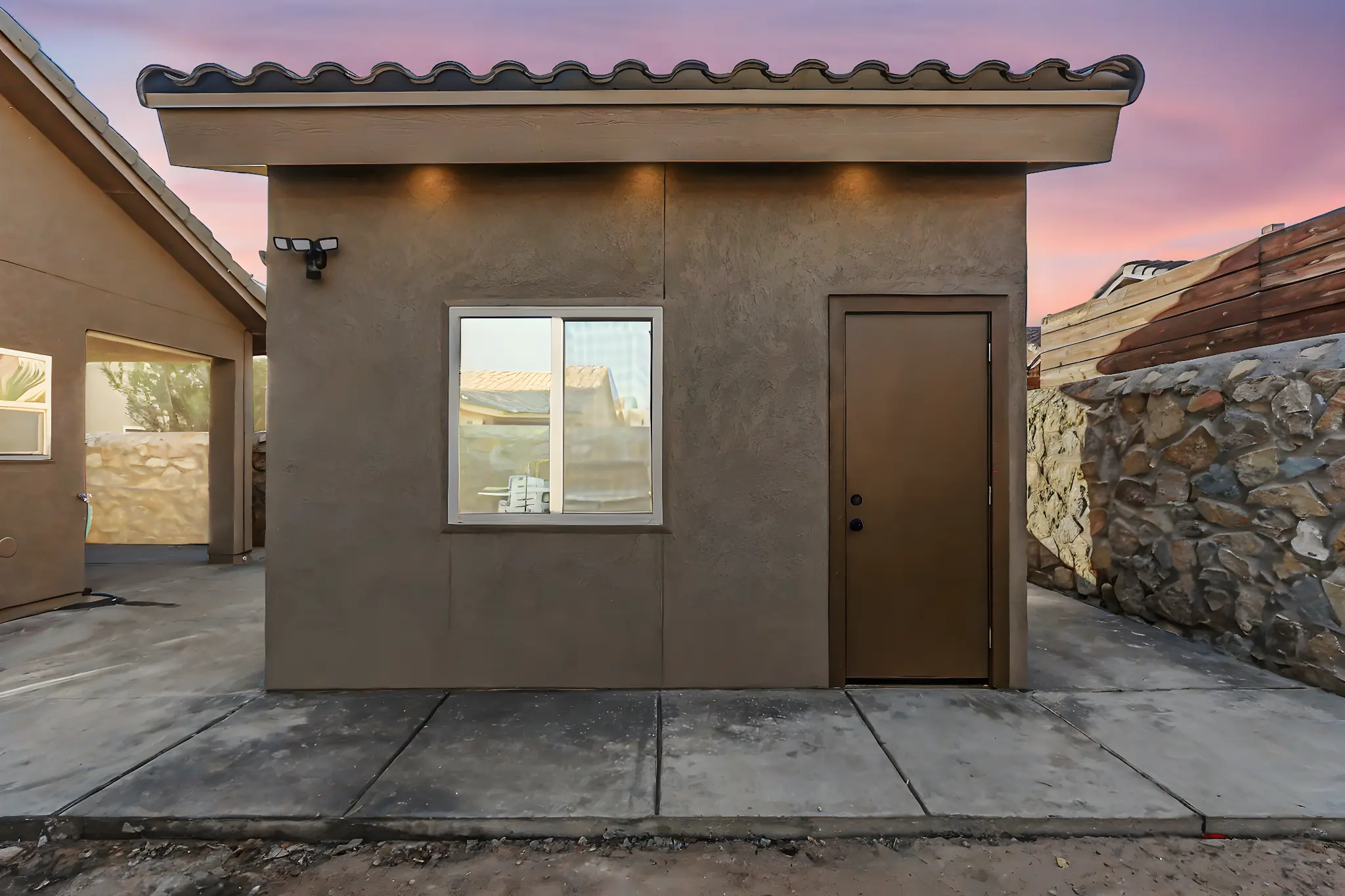
Detached ADUs are fully standalone structures built separately from your main house on the same lot. They are often called granny flats or backyard cottages. Detached ADUs give the most privacy and independence. They are the strongest option for rental housing or for family members who want a completely separate building. Detached units typically require separate utilities and dedicated utility connections.

Attached ADUs are connected living spaces that expand your home while staying integrated with the existing structure. An attached ADU connects to the main house rather than being built as a completely separate building. This allows them to share utility connections and cost less upfront than detached options.

Garage Conversions and Garage Apartments are one of the most popular ADU options we see in El Paso. If you have a garage you are not fully using, a garage conversion turns that existing structure into a comfortable, livable space. It causes far less site disruption than new construction.

Basement Apartments make use of underused square footage already inside your main house. They are sometimes called secondary suites or accessory apartments. A basement apartment is a cost-effective way to create additional living space without expanding your home’s footprint.

Internal ADUs reuse interior space within the primary house itself. If you have unused rooms or an oversized floor plan, an internal conversion creates a self-contained unit without touching the exterior of your home.

Bump-Outs and Additions are small expansions that create attached living space. They blend naturally with your existing home’s design and neighborhood character.

Junior ADUs or JADUs are compact units capped at 500 square feet. They are created within the walls of an existing single-family home. JADUs often share a bathroom with the main house. They are a great option when lot size or budget makes new construction impractical but you still need more space.

ADU development can include new construction or converting space within existing structures. These different ADU types help property owners match their design, budget, and goals. Whether the goal is a rental unit, a guest house, an in-law suite, or simply extra living space, we have an option that fits. They also work naturally alongside our broader home remodeling and construction services in El Paso.

Attached ADU Options

An attached ADU connects directly to your main home. It can be a home addition, a converted garage, or a finished basement. It shares utilities with the main house to keep costs down. With a private entrance and the right layout it still feels like its own space.

Detached ADU Options: Maximum Privacy on the Same Lot

A detached ADU sits completely separate on the same lot. No shared walls. No shared entrance. Full independence for whoever lives there. These are becoming more popular across El Paso and for good reason.

Design Layout and What Every ADU Requires

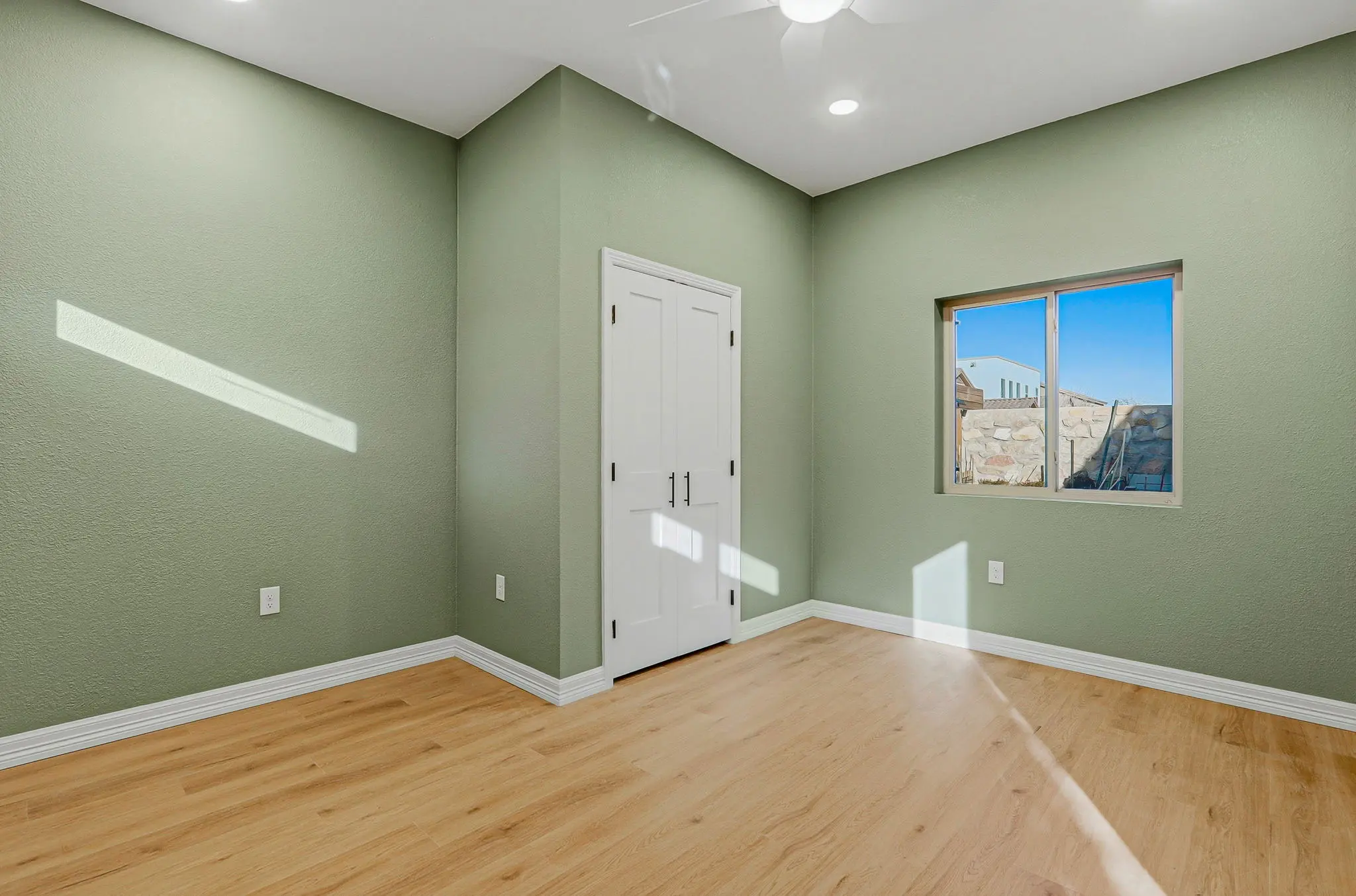
Every ADU needs the same basics to work as a real living space. A full kitchen. A complete bathroom. A private entrance. And laundry access. On the outside we make sure everything matches your main home. That includes the roof pitch, siding, and exterior colors. It all looks cohesive and protects your property value.

What Does an ADU Project Cost in El Paso?

Every ADU project is different. Here is a realistic range to plan around before your ADU journey begins.

The initial investment for building an ADU in El Paso typically runs from $80,000 to $150,000. This varies based on several factors. Design, materials, finishes, size, and whether the unit is attached or detached all play a role. Construction costs generally run $280 to $420 per square foot. Detached ADUs cost more than garage conversions or internal conversions. This is because of the separate utility hookups required.

Plan review and permitting fees typically range from $800 to $4,000 in El Paso. This depends on the scope of your project.

The return makes the investment worth it for most homeowners. Keep in mind that a higher property value can also mean higher property taxes. Factor that into your long term numbers. Talk to a tax professional before you finalize your plan. It is always a smart move.

Key Rules and ADU Regulations in El Paso

Before you start your ADU project, your plans must meet the City of El Paso’s local zoning requirements and local ordinances. ADU regulations can vary significantly by city and county, so understanding what applies to your property is a critical first step. Here’s what El Paso homeowners need to know:

Size limits

Detached ADUs are capped at 800 square feet. Attached ADUs can be up to 50% of the primary residence’s total square footage.

Setbacks

Minimum 3 feet on the sides and 5 feet from the rear property line. If your property backs up to an alley setback reductions may apply under current local housing rules.

Owner occupancy

El Paso does not currently require the property owner to live on-site which is good news for investment purposes. Note that in many other areas local zoning laws do mandate that the property owner reside on the property so this is worth confirming if you own multiple properties.

Construction timeline

Expect 4 to 8 months from permit approval to move-in ready, depending on project scope.

Where they're allowed

ADUs are permitted in residential areas and certain apartment zoning districts. They’re not permitted in commercial or manufacturing zones. Local zoning regulations determine exactly where ADU development is possible so we verify this before anything else.

Site coverage

The total impervious coverage of your property including the new ADU generally cannot exceed 50%. The combined footprint of all structures on the lot matters.

Parking

On-site parking is currently required, though local ordinances do get updated. We’ll confirm current requirements during your consultation.

One per lot

Only one ADU is permitted per primary residence on the same lot and it cannot be sold separately from the main property.

Exterior matching

Scale roof pitch, siding and exterior color should match or complement the existing home and maintain neighborhood character in surrounding residential areas.

Permit timeline

Plan review typically takes 3 to 6 weeks.

Permitting Inspections and Local Compliance

Every ADU in El Paso requires building permits covering electrical, plumbing, and mechanical before anything gets started. We handle the entire permitting process from start to finish so you do not have to worry about it.

Skipping the permitting process is not worth the risk. It can result in forced removal or expensive corrections. It may also affect your ability to legally rent the space. Accessory apartments and secondary suites built without proper approvals are a liability, not an asset.

We submit permit-ready plans and coordinate all required inspections at each phase. Every approval is properly documented before we move forward. We follow the same structured approach outlined in our project planning and construction process. We also recommend consulting the City of El Paso Planning and Inspections department as a resource. We will walk you through exactly what to expect before anything gets started.

How the ADU Journey Works With Paramount

Step 1 — Site feasibility and zoning review. The ADU journey starts here, we assess your lot, verify local zoning and check available space. We confirm what type of ADU makes sense for your property and your goals before any money is committed.

Step 2 — Design and floor plans. We create a design and preliminary floor plans based on your vision, your budget, and what the existing home and lot allow. We’ll help you find the perfect ADU layout for your property.

Step 3 — Permit submission. We prepare and submit permit-ready plans to the City of El Paso and manage the review process from start to finish including plan-check fees and inspection scheduling.

Step 4 — Construction and inspections. Our team gets to work, we keep you informed at every stage, and coordinate all required inspections along the way so nothing gets missed, backed by Paramount Construction’s family-led expertise in El Paso.

Step 5 — Certificate of occupancy. Once construction is complete and all inspections are passed, your ADU is legally livable and ready to house family members or welcome its first tenant.

Home Additions vs. Detached ADU: Which Is Right for Your ADU Project?

Homeowners compare attached and detached options based on several factors: privacy, budget, rental goals and available space. Here’s a quick breakdown we use:

  Attached ADU Detached ADU
Upfront cost Lower Higher
Privacy Moderate High
Utility hookups Shared with main home Separate hookups required
Best for In-law suite, long-term rental, family Short-term rental, full independence
Lot space needed Less More
If keeping costs down and staying connected to the main home is the priority, an attached addition is what you’re looking for. If you want maximum privacy and the strongest rental potential, detached is worth the investment. We’ll help you weigh both options against your lot, your budget, and your goals during the consultation, drawing on our broader home remodeling and addition experience.

%

Average customer satisfaction rating on Google

Over 100+ satisfied customers served in El Paso, Texas

Why Homeowners in East El Paso Choose Paramount

Guest House — A private space with its own entrance and full kitchen. Visiting family and friends get real comfort and genuine separation from the main house. A well-designed guest house is one of the most popular ADU uses we see in El Paso.

In-Law Suite — Keeping older parents or adult children close is one of the most meaningful reasons families build ADUs. It is also one of the most common ADU projects we complete. An in-law suite on the same lot changes the quality of life for everyone involved.

Short-Term Rental — A detached ADU with a private entrance, full kitchen, and its own living space is ideal for Airbnb hosting. Location, finishes, and amenities drive your rental income potential.

Long-Term Rental Unit — Lock in a tenant for 6 to 12 months or more. You get consistent, predictable rental income from a space that would otherwise sit empty. A rental unit on your own property is a straightforward way to build additional income in El Paso’s current housing market.


Financing Your ADU Project

There are several ways El Paso homeowners fund ADU projects. The right option depends on your financial situation and goals.

HELOC — A home equity line of credit lets you borrow against the equity you have already built in your primary residence. It is one of the most common and flexible financing routes for ADU development.

Cash-out refinance — Refinance your existing mortgage and pull equity out to fund construction. This works well when interest rates are favorable.

Renovation or home improvement loan — Some lenders offer loans specifically for addition and conversion projects. Terms vary so it is worth shopping around.

Home equity loan — A lump-sum loan based on your home’s equity paid back at a fixed rate. Straightforward and predictable.

ADU-specific financing — Some lenders specialize in ADU financing. They offer terms designed specifically for this type of construction. Worth exploring if you are building a larger detached unit.

Cash savings — For smaller conversions like a garage conversion or Junior ADU, some homeowners fund projects out of pocket. This avoids financing costs altogether.

Frequently Asked Questions

What does an ADU require in kitchen utility connections and permits?

A true ADU needs a full kitchen a complete bathroom, proper utility connections and all required building permits before construction begins. We help you review site conditions, plan infrastructure and prepare everything needed so the permitting process moves smoothly and nothing gets missed.

Does an ADU need a kitchen to qualify?

Yes, in most jurisdictions, a kitchen is one of the key features that distinguishes a true accessory dwelling unit from other secondary spaces. Requirements will vary based on local zoning and local ordinances. We can help clarify exactly what applies to your property and ADU type before getting started.

When does a guest house require a building permit in El Paso?

Always, any structure intended for human occupancy requires building permits and inspections before it can be legally occupied. Building without them creates liability, affects your ability to rent legally, and can block a future sale.

What’s an illegal apartment and can it be legalized?

An illegal apartment or unpermitted accessory apartment is a secondary unit built or converted without proper approvals. It could be brought into compliance through inspections, updates and the right permitting process, depending on local regulations. We can help evaluate your situation and map out a realistic path forward.

Local Resources and Next Steps

Before starting any ADU project in El Paso, one of the first things you can do is set an in-home consultation with us. Then we can take your information to review with the City of El Paso Planning and Inspections department. there we can check local ADU regulations, zoning regulations, and permitting process requirements. Understanding what applies to your property, like the lot size, available space, local zoning setbacks, and site coverage. This can make the difference between a smooth project and a costly one.